
Urban communities often face food and space insecurities with a lack of access to fresh produce to create wholesome lifestyles. The modern agricultural revolution has turned toward regenerative agriculture with hopes to reduce food and material waste to create more sustainable approaches to cultivation.
Although there is no official definition of regenerative agriculture, it can be known as an alternative means of producing food that potentially achieves net-zero environmental and social impacts through the use of cover crops, the integration of livestock, and reducing or eliminating tillage (1,2).
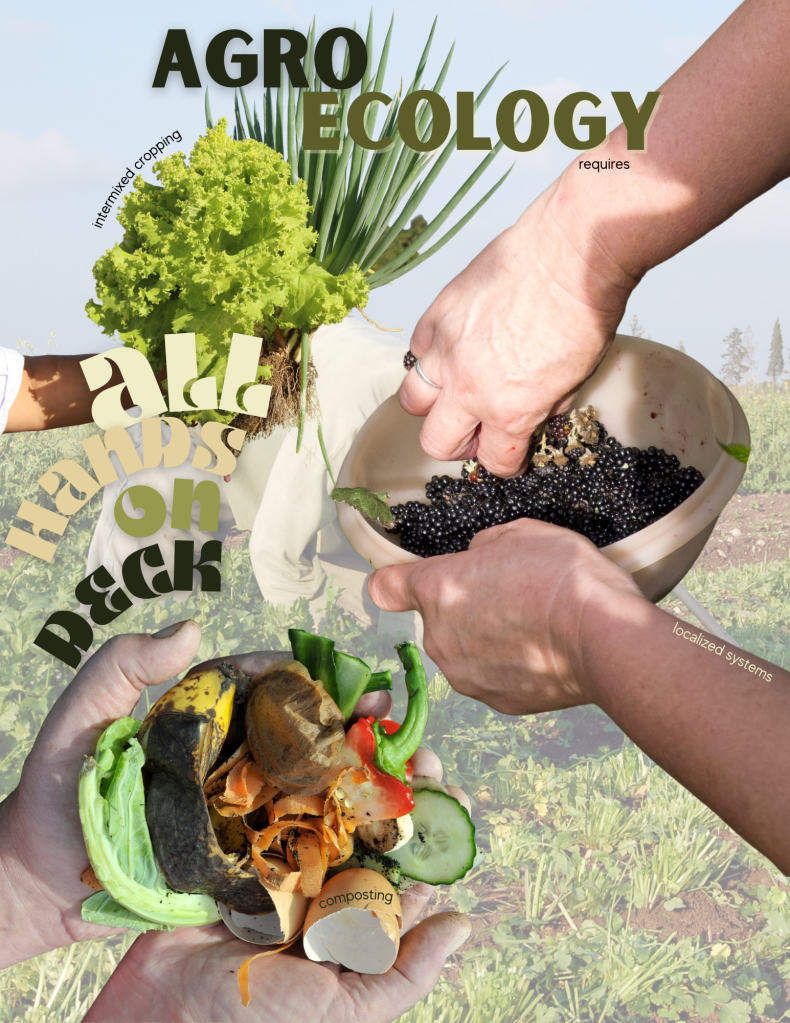
The use of regenerative agriculture in local spaces can be incorporated into urban landscapes to reduce growing problems of food insecurity and increasing waste while taking up vacant spaces, creating new spaces for green areas, educating communities, and looking inward to localized systems.
These techniques are also often seen as similar to the concept of agroecology, comprised of more holistic and integrated approaches to address sustainable agriculture.
Attributes of agroecology include:
- Diversity for ecological and social systems of foodways
- Transparency in forms of information and funding
- Congruence aka no universalization of practices
- Equity, or equal distribution of resources, production, and information
- Sovereignty for the farmer’s means of production and the consumer’s choice to pick equitable products
How can you practice agroecological practices on an everyday basis?
Even if you don’t practice agriculture farming in your everyday life, there are still opportunities to make small steps toward a more just system. Living in a city or any other developed area may seem difficult to navigate more sustainable practices, but this can include reducing emissions, using recycling resources and participating in local supply chains, such as farm-to-table prioritizing companies.
Try to put farmers and communities in the driving seat and allow local people to adopt agricultural techniques that are appropriate for the local area. A return to seasonal food production, localized systems, and integrating knowledgable practices into your everyday life can drastically improve the human-environment relationship.
Did you know that participating in compost techniques is a form of agroecology? If you’re lucky enough to live in a city that uses mass compost collection, such as in San Francisco, everyone is required to separate their waste into:
- Recyclables (blue bin) – Materials in your blue bin are made into new bottles, cans, and other products.
- Compostables (green bin) – Food, soiled paper and plants in your green bin are composted into nutrient-rich soil used by local farms.
- Trash (black bin)
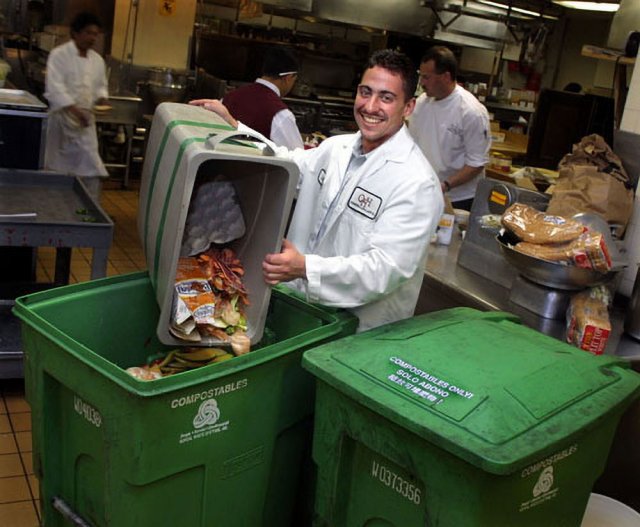
Imagine if we could incorporate these initiatives into other city-wide systems across the United States?
Here, I have only recommended a few simple suggestions in ways regenerative agriculture and agroecological techniques can further benefit urban environments.
What are your thoughts on these techniques? Could you imagine incorporating agroecological methods into your everyday life? And what could urban environments do to make this system easier to adopt?
 Emily Frisan
Leave a comment