
As home chefs, we’re all told to invest in pantry basics. Ingredients range from oils, spices, canned and frozen foods, grains, and so on. The New York Times Cooking section offers great kick-starter pantry lists depending on your experience or comfortability with food and using different ingredients.
This post is not including my baking pantry essentials! That in itself is a completely different list, but of course, there are often multiple uses for ingredients depending on the technique.
How are they used?
Here are my personal favorites:
Oil
As an essential, I love using Extra-virgin olive oil, neutral cooking oil and sesame oil to use for cooking or creating salad dressings.
Vinegar
Acid balances the flavor of many dishes that we eat on a daily basis. In my quick spicy peanut noodle chicken dish, I use rice vinegar to add acidity to the spicy peanut sauce. In replacement, I could have used lime, lemon, or white vinegar.
According to Salt, Acid, Fat, Heat’s host and world-renowned chef, Samin Nosrat states, “It’s the way acid contrasts with other tastes that heightens our pleasure in foods.”

“It’s the way acid contrasts with other tastes that heightens our pleasure in foods.”
Samin Nosrat, author of Salt, Acid, Fat, Heat
Spices
Regardless of cooking experience, all home chefs must be familiar with spices and how they can be combined or manipulated in various ways to change dishes. I often use Food & Nutrition’s Herb and Spice Chart to learn about flavor profiles and what potential flavors I may be interested in trying.
Canned foods and Dry Goods
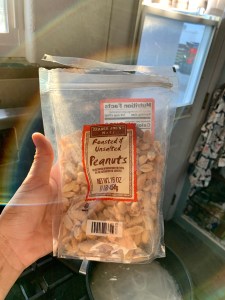
The New York Times basic’s list nails it perfectly: canned tuna or chicken, tomato paste, diced tomatoes, tomato sauce, chicken stock or vegetable stock (box-packed is recommended).
I love using tomato paste, diced tomatoes and chicken stock to make a quick weeknight soup or curry.
Dry pasta and rice are must-haves as well. With those two options, the dish combinations with other pantry essentials could be endless.
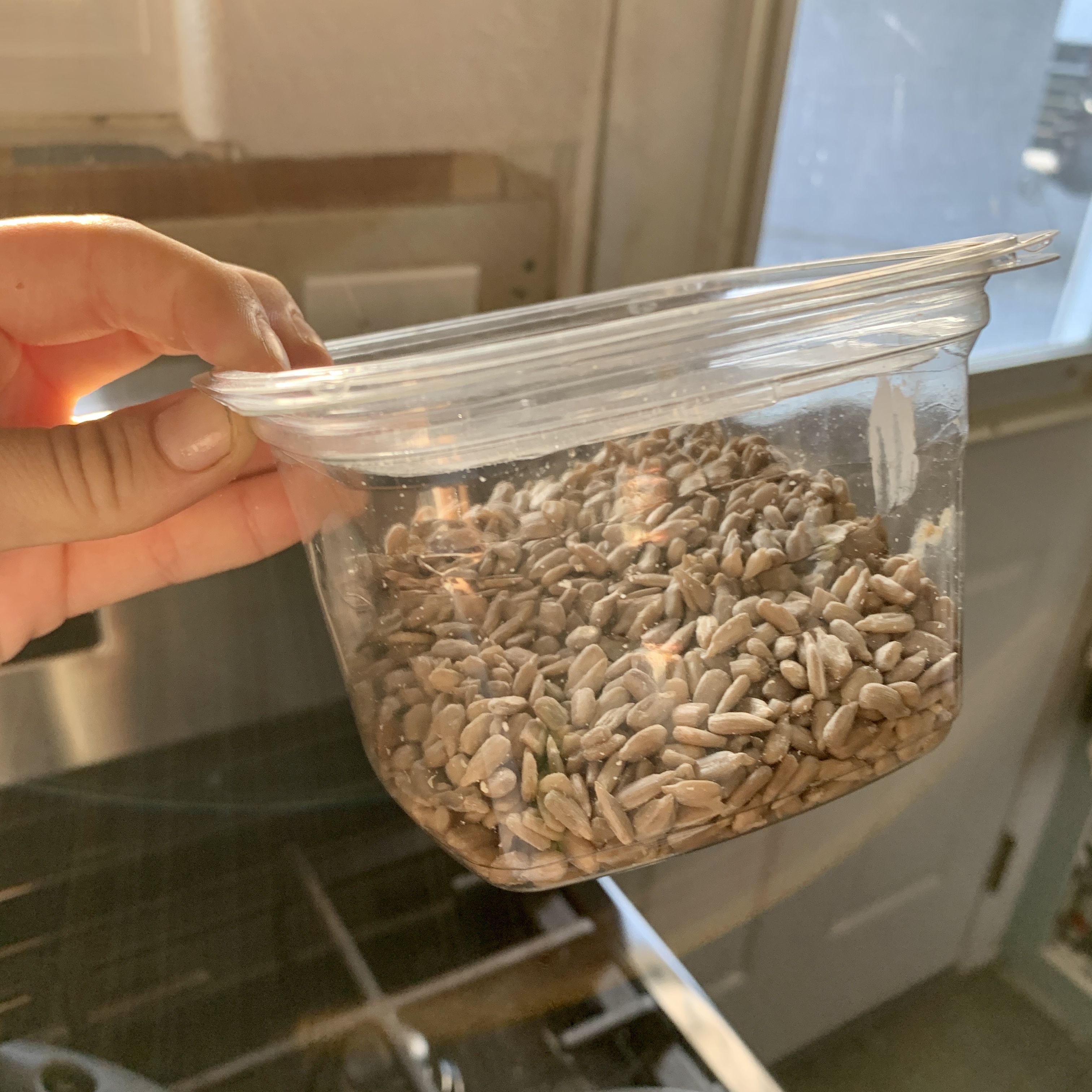

In any of my meals, I try to incorporate as many fresh ingredients into my cooking as possible, however, that goal isn’t always attainable as the weekly produce is eaten or spoiled. Whether you prep fresh food to be frozen in bulk or buy bagged vegetables can be combined or used on their own for wholesome meals.

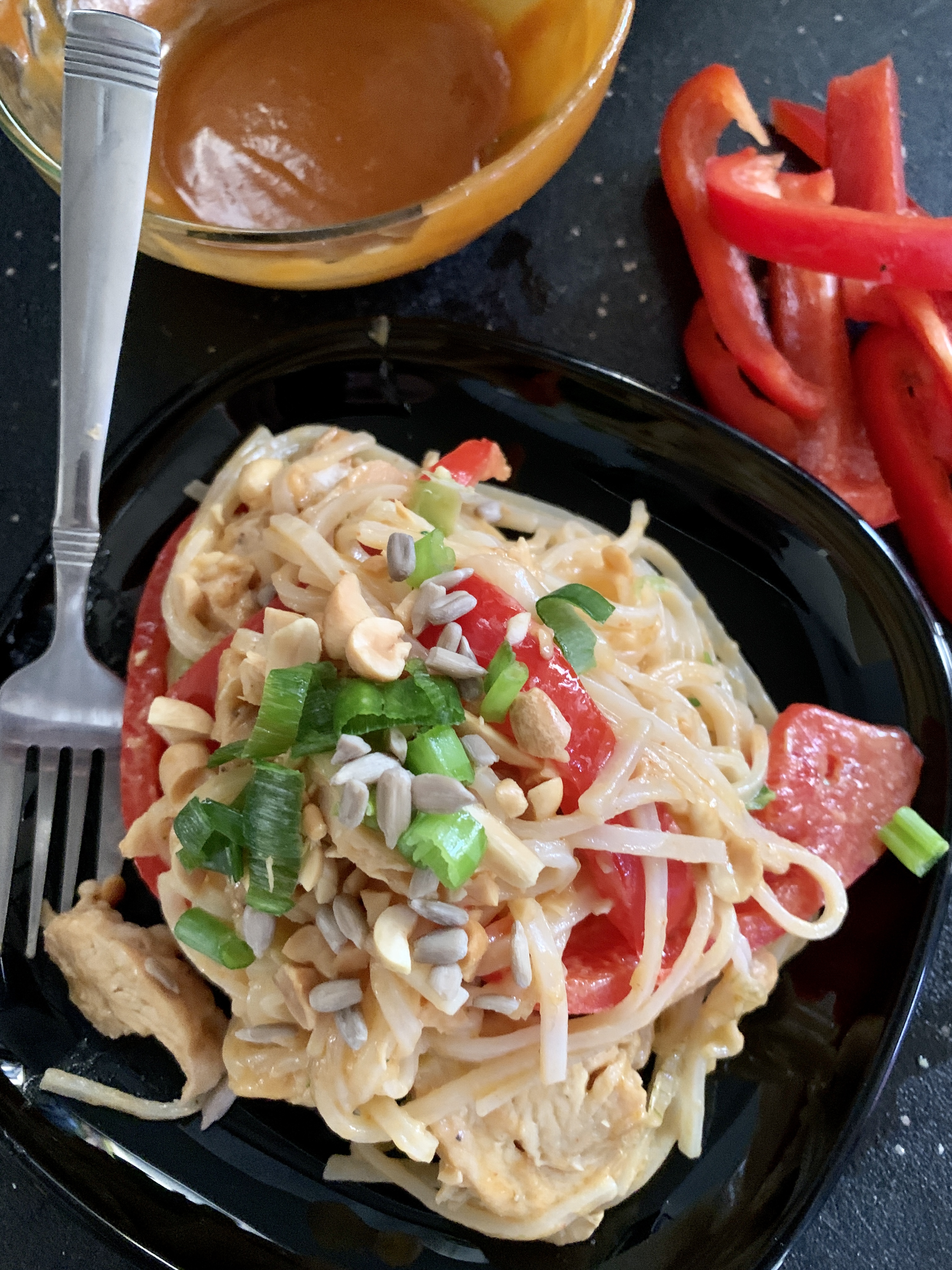

My favorite frozen vegetables are corn, broccoli, carrots, and medley mixes. For example, I often combine frozen broccoli and fresh bell peppers in stir-fries or with corn in homemade ramen.
 Emily Frisan
Leave a comment